Concrete and clay tiles are among the longest-lasting roof coverings you can have, and many Pretoria roofs are decades old and still sound. But tiles are brittle, and every roof reaches a point where patching stops making sense. Knowing which side of that line your roof is on can save you from paying for repeated repairs, or from replacing a roof that only needed attention in a few places.
Start With the Cause of the Breakage
Before deciding anything, work out why the tiles broke. The answer changes the recommendation.
- Hail. A single severe storm can crack many tiles at once, even on a roof that was in good condition the day before. The rest of the roof may be perfectly sound.
- Foot traffic. Satellite, solar and aerial installers often crack tiles as they walk across a roof. The damage is usually concentrated along a path.
- Falling branches. Localised damage, often with broken battens beneath.
- Age and weathering. On older concrete tiles the surface wears away, the tile absorbs more water and becomes more fragile. Breakages then appear all over the roof.
The first three usually call for repairs. The fourth is the one that leads towards re-roofing.
When a Local Repair Is Enough
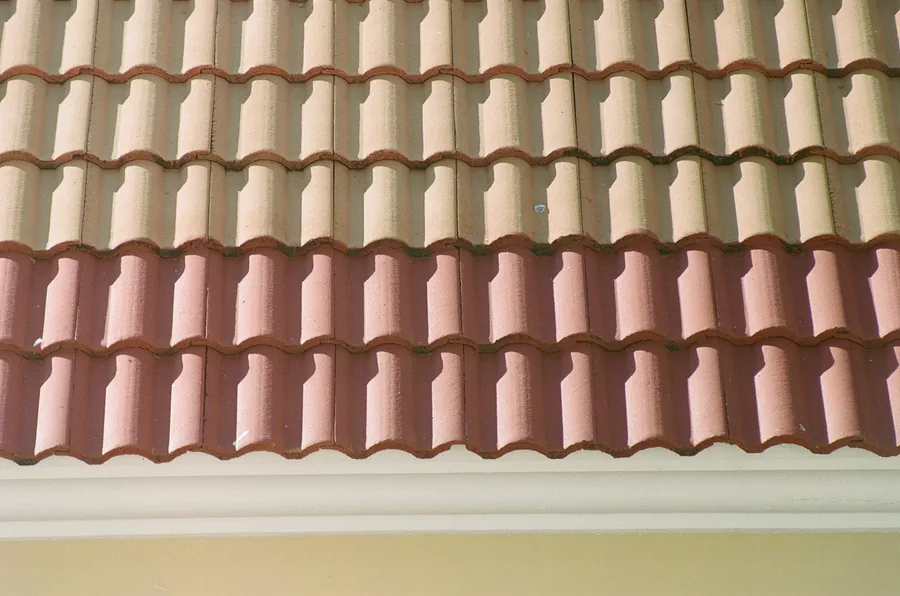
A local repair makes sense when the damage is confined to particular areas and the tiles around it are still sound. Typical repairs include replacing a handful of cracked tiles, re-seating slipped ones, and checking the battens beneath. If a matching profile is still made, the repair blends in well; on a weathered roof the new tiles may look a little brighter for a while.
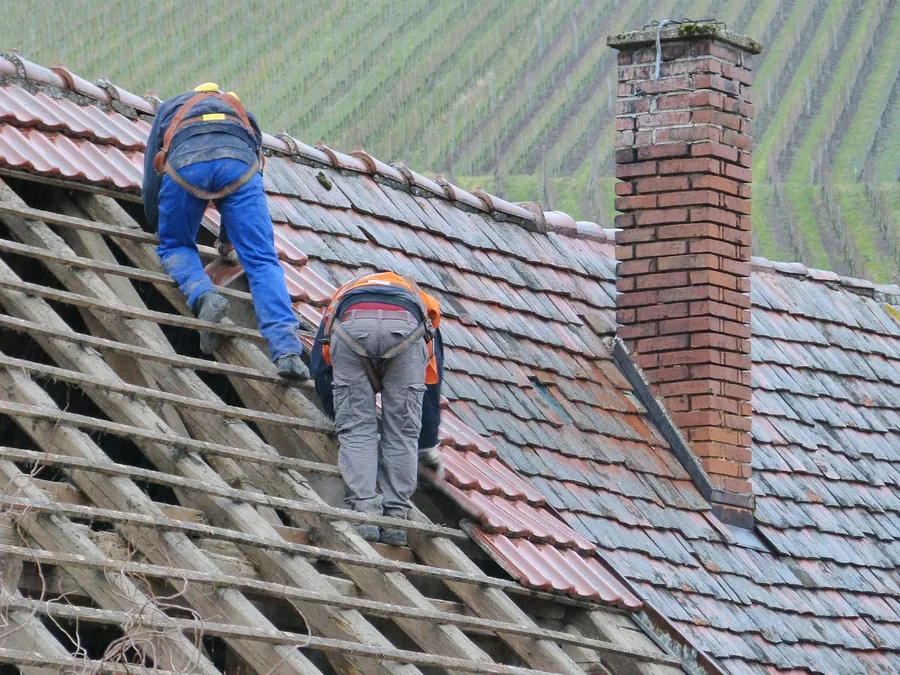
A simple test is what happens when a roofer works on the roof. If tiles can be lifted and replaced without others cracking around them, the covering still has plenty of life.
When Ridge Work Is the Real Job
Many Pretoria “tile” leaks are not caused by the tiles at all, but by the ridge and hip cappings along the top of the roof. The mortar beneath them cracks and falls out after years of hot days and cold winter nights, and wind-driven rain then gets in under the caps.
Re-pointing fills cracks in mortar that is still sound. Re-bedding means lifting the caps, removing the old mortar and bedding them again. Either is a fraction of the cost of a re-roof, and on many otherwise healthy roofs it is the main thing that needs doing.
Signs That Point Towards a Re-Roof
- Tiles crack whenever anyone walks on the roof, even carefully.
- Many tiles are spalling, flaking or crumbling at the edges.
- New leaks appear in different places every rainy season.
- Battens are rotten in several areas, so tiles have to be lifted anyway to replace them.
- There is no underlay, or the original underlay has perished and torn.
- The tile profile is no longer made and enough matching tiles cannot be found.
One sign on its own rarely decides it. Several together usually do.
Compare the Costs Honestly
A fair comparison looks at more than the next invoice. Ask for the cost of the repair now, an idea of what is likely to need doing over the next few seasons, and the cost of re-roofing. If the repair is small and the roof is otherwise sound, repair wins easily. If you are facing repairs every season on a roof that is failing everywhere, re-roofing often costs less over the time you plan to stay in the house.
A good quote sets out the options separately, so that you can choose with the facts in front of you.
Estate Rules and Re-Roofing
In many Pretoria East estates, the HOA specifies the roof tile profile and colour. If you are considering a re-roof, check the approved list before choosing a tile, and allow time for approval. Changing from tiles to sheeting, or the other way round, also affects the roof structure: tiles are much heavier, so going from sheeting to tiles usually needs the trusses checked by an engineer.
Getting a Clear Answer
The most reliable way to decide is to have the roof looked at closely, including the battens and underlay from inside the roof space. Our tiled roof repairs page covers the repair side, and our re-roofing page explains what a full replacement involves. We look at tiled roofs throughout Waterkloof, Brooklyn and the rest of Pretoria.